What Does Cranial Helmet Treatment Include? Cost Factors and Insurance
What the cranial helmet process includes, which factors shape an individual treatment plan, and how to check insurance coverage before you start.
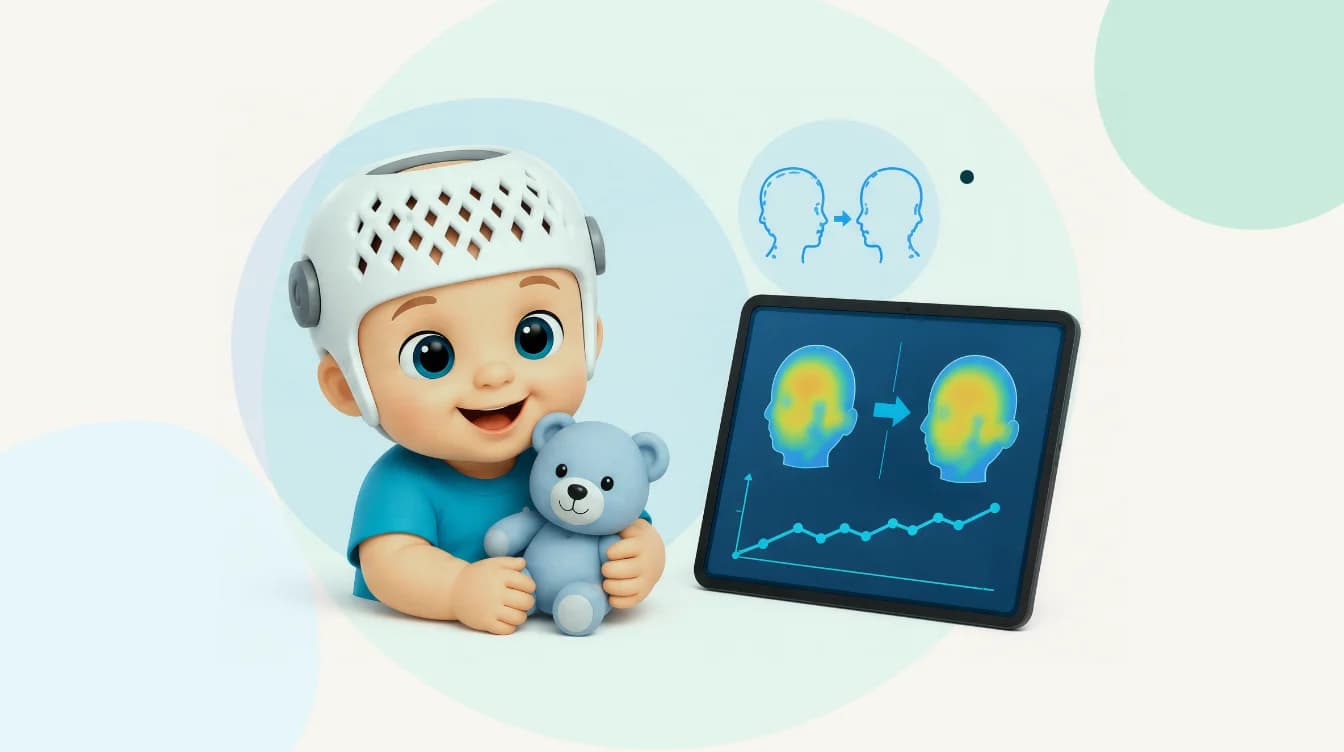
Cranial helmet treatment is not a single product but a process: assessment, measurement or 3D scanning, a custom-made helmet, fitting, regular follow-ups and adjustments, and a final measurement. Its scope and cost are therefore planned individually, depending on your baby's age, the degree of asymmetry and the expected treatment length. In line with health advertising regulations, no prices are shown here; individual information is given after a specialist assessment.
What does the baby helmet process include?
- Initial assessment: history, head shape, neck movement and whether repositioning or physiotherapy may be enough.
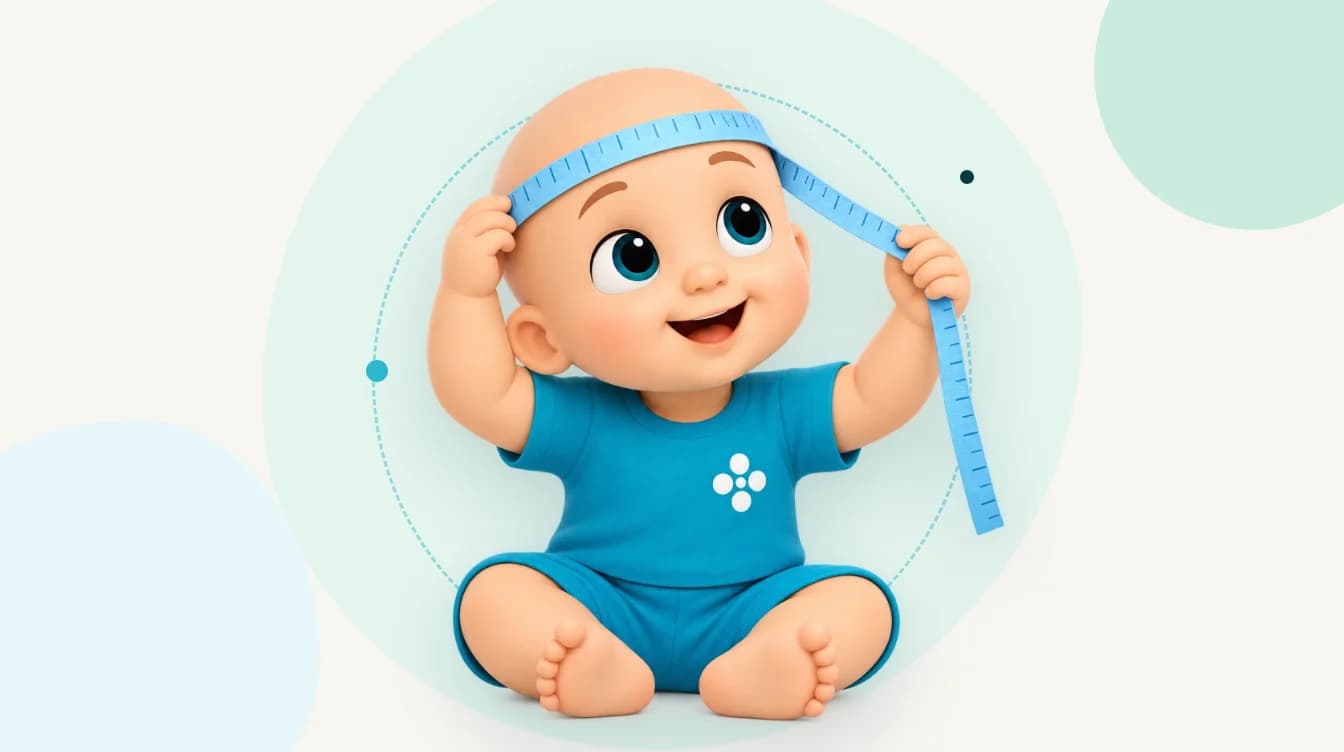
- Measurement and 3D scan: a radiation-free record of head shape used for design and later comparison.
- Custom design and manufacturing: the helmet is made to your baby's own measurements.
- Fitting and wear-in: parents learn how to put it on, clean it and check the skin.
- Follow-ups and adjustments: the inner surface is adjusted as your baby grows.
- Interim and final measurements: change is tracked objectively and the end of treatment is decided.
See our step-by-step helmet process.
What affects the cost of a cranial helmet?
- Age at start: influences growth rate and expected treatment length.
- Type and severity: plagiocephaly, brachycephaly or both, and how pronounced they are.
- Number of helmets: most babies need one, but some who start very early or grow fast may need a second.
- Number of follow-ups and adjustments
- Associated conditions: torticollis may need physiotherapy, usually planned separately.
- Post-surgical use: after craniosynostosis surgery the plan is set with the surgical team.
Why aren't prices listed online?
In Türkiye, the promotion of health services is regulated and sharing prices in promotional content is restricted. Also, because treatment varies from baby to baby, a single figure would not reflect your baby's actual process. Individual information after assessment is more accurate.
Does insurance cover cranial helmets?
Coverage depends on your insurer or national health scheme, the documents required and your policy terms, and these can change. We recommend checking directly:
- Ask your insurer whether orthoses or medical devices are covered and whether pre-approval is needed.
- Ask which documents are required, such as a physician's report or measurement records.
- After assessment, we can help you with the documentation needed for your application.
What happens at the initial assessment?
The first visit is when your questions are answered and your baby's head shape is examined. Birth and developmental history are reviewed, head shape and neck movement are assessed and measurements are taken if needed. You are then told whether the condition is mild or more pronounced, whether repositioning may be enough and, if a helmet is considered, how the process and its scope would look. If a helmet is not needed, you receive home positioning advice and a follow-up plan.
What should you ask after the assessment?
- How pronounced is my baby's condition and why is a helmet recommended?
- What is the expected treatment length and what could change it?
- How often are follow-ups, and are they included in the process?
- What happens if a second helmet is needed or the helmet is damaged?
- Which documents can I get for an insurance claim?
Is a helmet needed for every baby?
No. Many babies with mild flattening improve with repositioning and tummy time. A helmet is usually considered for moderate or pronounced asymmetry that does not improve enough. Read whether plagiocephaly goes away on its own.
When should you see a specialist?
- Flattening that does not improve after 4–6 weeks of repositioning
- One ear shifted forward, forehead bossing or facial asymmetry
- Your baby always turns to one side
- A long and narrow, triangular or unusual head shape
Start with your pediatrician. For an assessment and individual information, book an appointment.
Frequently asked questions
Why does the cost vary between babies?
Because treatment is planned around age, severity, expected duration, number of follow-ups and whether a second helmet is needed.
Are follow-up visits part of treatment?
Yes, follow-ups and adjustments are an integral part of helmet therapy. What is included is explained after assessment.
Will my insurance pay?
It depends on your policy. Ask your insurer about orthosis coverage, pre-approval and required documents.
Is an off-the-shelf helmet an option?
A cranial orthosis is made to your baby's measurements and adjusted with growth. Products not based on measurement are not expected to guide head shape safely.