When Does the Soft Spot Close? A Parent's Guide to Fontanelles
What is a baby's soft spot, when does it close, and when is a sunken or bulging fontanelle a warning sign? A clear guide for parents.
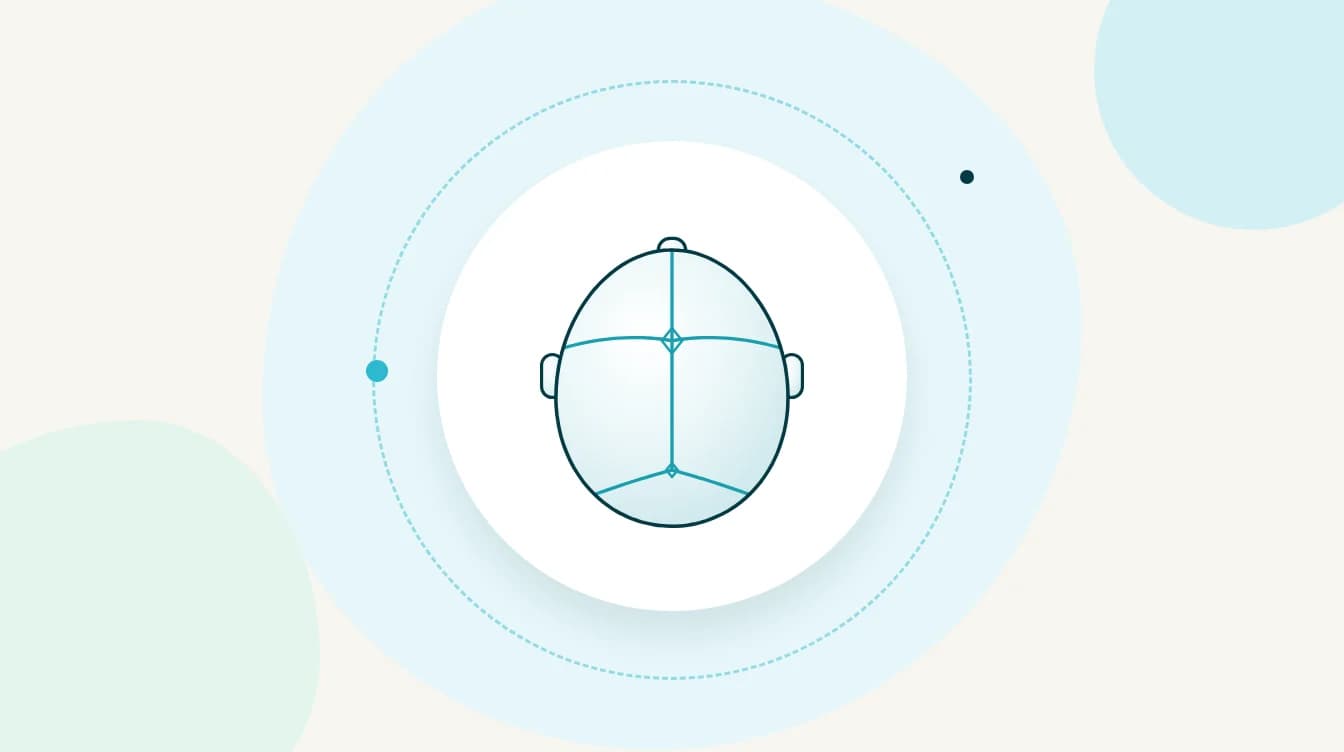
The front soft spot (anterior fontanelle) usually closes between about 12 and 18 months, although anywhere from roughly 9 to 24 months can be normal. The back soft spot (posterior fontanelle) is much smaller and typically closes within the first 2 months. Slightly early or late closure is not a diagnosis on its own; your pediatrician interprets it together with head shape, head circumference and your baby's overall health.
What is a fontanelle?
Fontanelles are the soft areas on a baby's head where the skull bones have not yet joined. They are covered by a tough membrane. They allow the skull plates to overlap slightly during birth and give the rapidly growing brain room to expand during the first years of life.
How many soft spots does a baby have?
- Anterior fontanelle: the larger, diamond-shaped soft spot on top of the head, towards the forehead. This is what most parents mean by "the soft spot".
- Posterior fontanelle: a small triangular soft spot at the back of the head, sometimes barely noticeable even at birth.
There are also smaller fontanelles on the sides of the skull, which usually close early and are rarely noticed.
When do the fontanelles close?
- Posterior fontanelle: usually by about 1–2 months of age.
- Anterior fontanelle: usually between 12 and 18 months, with a normal range of roughly 9 to 24 months.
Closure is gradual. Rather than a single "open or closed" check, your doctor follows the size of the fontanelle, head circumference measurements and developmental milestones over time.
What does a normal soft spot look like?
When a baby is calm and held upright, a normal anterior fontanelle feels soft and looks flat or very slightly dipped. It may bulge briefly while crying, straining or lying down and settle again afterwards. A gentle pulse is often visible, and that is usually normal.
What does a sunken fontanelle mean?
A clearly sunken soft spot in a calm, upright baby is most often a sign of dehydration, especially with diarrhoea, vomiting, fever or poor feeding. Other warning signs include:
- Far fewer wet nappies than usual
- Dry mouth or crying without tears
- Unusual drowsiness, weakness or refusing feeds
If you notice these, contact a doctor or emergency service without delay.
Is a bulging fontanelle dangerous?
A soft spot that stays tense and bulging while your baby is calm, upright and not crying may indicate raised pressure inside the skull, which can be linked to infection such as meningitis or other serious causes. If it comes with fever, repeated vomiting, unusual sleepiness or irritability, seizures or a high-pitched cry, seek urgent medical care. Temporary bulging while crying is usually normal.
What if the soft spot closes early?
Early closure is not always a problem; some healthy babies simply have a small fontanelle while their head keeps growing normally. What matters is steady head growth and a balanced head shape. If early closure comes with slow head growth or an unusual head shape, doctors may look for craniosynostosis, the premature fusion of one or more skull sutures. Note that an open fontanelle does not necessarily mean the sutures are open. Diagnosis is made by a specialist through examination and, if needed, imaging. You can read about the conditions we work with on our treatments page.
What if the soft spot closes late?
A fontanelle that is still clearly open around age 2 is often a family trait or normal variation. Your doctor may still want to rule out causes such as vitamin D deficiency (rickets), low thyroid hormone, conditions that make the head grow unusually fast, or certain genetic or skeletal conditions. Only an examination, and tests if necessary, can tell.
Is it safe to touch the soft spot?
Yes. The fontanelle is protected by a strong membrane. Stroking, washing and brushing your baby's hair or putting on a hat will not harm it. Simply avoid pressing hard on it or any knock to the head. Cradle cap over the soft spot can be washed gently as usual.
Common myths about the soft spot
- "Touching it can hurt the baby." Normal handling is safe.
- "A pulsing soft spot means illness." A gentle pulse is common and usually normal.
- "Vitamins can speed up or slow down closure." Only give supplements as advised by your doctor.
Is the soft spot related to head shape?
The fontanelle itself does not decide head shape, but in the early months the skull is soft and easily moulded. A baby who always rests on the same spot may develop a flat area at the back of the head (positional plagiocephaly). Unlike craniosynostosis, the sutures are open, and these cases are usually managed with repositioning, supervised tummy time and, when needed, specialist assessment. Cranial orthosis (helmet therapy), when recommended, is also applied while the skull is still growing.
When should you see a specialist?
- A clearly sunken, or tense and bulging, soft spot in a calm, upright baby (urgent)
- Soft spot changes with fever, vomiting, unusual sleepiness, irritability or seizures (urgent)
- A soft spot that seems closed very early, with a long, narrow or triangular head shape
- Head circumference growing much more slowly or quickly than expected
- A soft spot still wide open as your child approaches 2 years
- Flattening on one side of the head or uneven ears or forehead
If you have concerns about your baby's head shape, you can book an appointment for a measurement. Diagnosis should always be made by your pediatrician or a relevant specialist.
Frequently asked questions
At what age does the soft spot close?
The back soft spot usually closes by 1–2 months and the front one usually between 12 and 18 months, with roughly 9–24 months considered within the normal range.
Why does the soft spot pulse?
The membrane is thin, so the pulse of blood flow can be seen or felt. A gentle pulse in a calm baby is usually normal.
Can a baby wear a cranial helmet while the soft spot is open?
Yes. Helmet therapy is used precisely while the skull is growing and the fontanelles are open. Whether it is appropriate is decided after specialist assessment and measurements.
Can I wash my baby's hair over the soft spot?
Yes. Gentle washing and brushing are safe; just avoid pressing firmly on it.